4.9-Star Rated
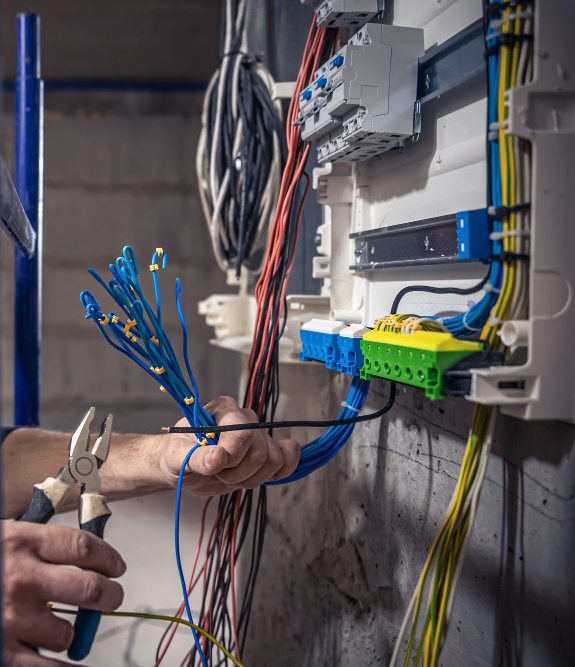
Common electrical problems in Ithaca, NY homes can start quietly. A light flickers in one room, a breaker trips when several appliances run at once, or an outlet feels slightly warm after use. Those symptoms may seem small at first, but they can point to wiring, panel, grounding, or load issues that should be checked before they become expensive or unsafe.
Ithaca homes also vary widely in age and electrical demand. Some properties near Fall Creek, Bryant Park, Belle Sherman, and Downtown have older wiring histories, while homes near Cornell University, South Hill, and growing suburban areas may face heavier modern loads from computers, appliances, heat pumps, EV chargers, and smart devices. That mix makes prevention especially important.
Pleasant Valley Electric provides electrical repairs for homeowners who need a licensed electrician to diagnose recurring issues, repair unsafe components, and help bring aging systems closer to today’s needs.
In this article, you’ll learn:
Electrical issues are easy to underestimate because many early warning signs come and go. A breaker resets, a flicker stops, or an outlet works again after a plug is adjusted. The problem is that temporary symptoms do not always mean the underlying condition has disappeared.
Many Ithaca-area homes have been updated in stages. A house may have original wiring in one section, a newer panel, renovated rooms, added receptacles, and appliances that draw far more power than the home was originally designed to support. Each improvement may have been reasonable on its own, but the whole system still needs to work safely together.
That matters locally because Tompkins County has a substantial older housing stock. The county’s 2022 housing snapshot reported that almost 36% of homes were built before 1960 and more than 27% were built before 1940, according to Tompkins County.
Older homes are not automatically unsafe. However, they are more likely to have outdated components, limited circuits, worn connections, ungrounded receptacles, or modifications from different eras. A local electrician in Ithaca, NY can evaluate those layers instead of treating one symptom as an isolated nuisance.
National fire data gives homeowners a useful sense of scale. The U.S. Fire Administration estimated that residential electrical malfunction fires caused 23,700 fires, 305 deaths, 800 injuries, and about $1.5 billion in property loss in 2023, according to the U.S. Fire Administration.
An inspection cannot remove every risk, but it can identify conditions that should not be ignored. Loose connections, damaged receptacles, overloaded circuits, deteriorated wiring insulation, and panel defects are all easier to address before heat, arcing, or repeated breaker trips become routine.
Homeowners who want a structured starting point can use an electrical safety inspection checklist to understand what a professional may review during a home safety visit.
One flicker during a utility interruption may not be a home wiring problem. A single tripped breaker after a high-load appliance starts may not mean the panel is failing. Repeated symptoms are different.
Pay closer attention when you notice:
Patterns help an electrician find the root cause. A symptom that repeats in the same area can point to a branch circuit or device problem, while symptoms across the home may suggest panel, service, grounding, or utility-side concerns.
Many common electrical problems first appear at the points homeowners use every day. Outlets, switches, and lights are easy to dismiss because they are familiar, but they often reveal trouble inside a wall, box, circuit, or panel.
Flickering lights may come from a loose bulb, incompatible dimmer, aging fixture, or momentary voltage change. Those are relatively simple possibilities. The concern grows when flickering happens often, affects multiple rooms, appears when appliances start, or comes with buzzing, heat, or a burning odor.
Those symptoms may point to loose conductors, damaged connections, overloaded circuits, or deteriorating wiring. Ithaca homeowners who see recurring flicker patterns should compare them with other signs of faulty wiring instead of assuming every lighting issue is fixture-related.
Heat is another warning sign. If lights dim, switches buzz, or outlet covers feel warm, a review of electrical wiring overheating symptoms can help homeowners decide when to stop using the affected area and schedule service.
Outlets wear out. Internal contacts can loosen, plugs may no longer fit snugly, and older receptacles may not match the way a room is now used. A loose outlet can create heat at the connection point, and a damaged outlet can spark when a device is plugged in or removed.
Call for service if an outlet:
An electrical outlet repair service can replace damaged receptacles, tighten connections, check the box, and confirm whether the issue is limited to one device or part of a larger circuit problem.
If an outlet is actively sparking, the safest first step is to stop using it and keep combustible items away from the area. Homeowners can review what to do when a home has active outlet sparks, but a repeated spark should be treated as a repair issue rather than normal wear.
A mild shock from an appliance, switch, or metal fixture should not be dismissed. It may be related to grounding, wiring, moisture, damaged cords, or a problem inside the appliance itself. In kitchens, bathrooms, basements, laundry areas, garages, and outdoor locations, missing or malfunctioning GFCI protection can make that risk worse.
GFCI devices are designed to interrupt power quickly when they detect a current imbalance. The Consumer Product Safety Commission explains that a GFCI can trip when current differs by as little as 0.006 amperes, according to the CPSC.
If you are getting an electrical shock from appliances, stop using the affected device until the cause is identified. Testing GFCI outlets with the test and reset buttons is a helpful homeowner habit, but professional troubleshooting is still important when shocks repeat or occur in more than one location.
Your electrical panel is the control point for the home’s circuits. When breakers trip, circuits feel overloaded, or upgrades keep pushing against the limits of the existing system, the panel may be telling you the home needs more than a quick reset.
A breaker is a safety device, not an inconvenience to work around. It trips because a circuit is overloaded, a fault is present, a connected appliance is drawing too much current, or the breaker itself may be failing. Resetting it again and again without finding the cause can hide a problem that needs repair.
Common reasons for repeated breaker trips include:
Homeowners trying to understand frequent breaker trips should note what was running when the trip happened, which breaker moved, and whether the issue affects one room or several. A circuit breaker repair service can test the circuit safely and determine whether the issue is overload, equipment, wiring, or the breaker itself.
Electrical panels age along with the rest of the home. Some older panels have limited capacity, crowded circuits, outdated components, poor labeling, corrosion, or breaker types that no longer support the home’s needs well. Even when a panel still functions, it may not be the right foundation for a modern household.
Pleasant Valley Electric installs and services electrical panels for homes that need safer distribution, added capacity, or replacement of aging equipment. Panel work is especially important before major renovations, appliance additions, heating changes, or recurring circuit problems.
Regular electrical panel maintenance can help identify loose breakers, heat marks, corrosion, poor labeling, and other signs that the panel needs attention. If the panel shows persistent defects, homeowners should understand the electrical panel replacement signs that should not be postponed.
Modern electrical demand adds up quickly. Home offices, workshops, kitchens, laundry equipment, mini-splits, heat pumps, sump pumps, outdoor lighting, and EV charging can all place new pressure on older circuits. A project that seems simple may require a load calculation, dedicated circuit, panel upgrade, or wiring correction before installation.
That is why prevention should happen before the project starts. A homeowner planning EV charger installation may need to confirm panel capacity, charger amperage, wiring route, disconnect requirements, and permit expectations before choosing equipment.
The same principle applies to lighting and room updates. Professional lighting and wiring work can help ensure new fixtures, switches, dimmers, and circuits are matched to the home’s electrical system instead of adding demand to an already strained circuit.
Prevention is not just about catching hazards. It is also about making the home easier to live in. Fewer nuisance trips, safer outlets, steadier lighting, and better circuit planning can reduce frustration while protecting the home.
The best time to find an electrical problem is before a renovation, appliance replacement, or closing date forces a rushed decision. An inspection can identify overloaded circuits, worn outlets, missing GFCI protection, aging panels, grounding issues, and wiring that may not support the homeowner’s plans.
A home electrical inspection panel review can be especially useful in older homes, recently purchased properties, rentals, and homes where previous work is unclear. It gives the homeowner a better map of what is safe, what needs repair, and what should be upgraded before new loads are added.
Inspections also help prioritize spending. Not every electrical issue requires a full upgrade, but the right diagnosis can separate urgent repairs from improvements that can be planned over time.
Some electrical prevention is practical and immediate. Homeowners can reduce daily stress on circuits by moving high-demand devices to different circuits, avoiding permanent extension cord use, replacing damaged cords, and unplugging appliances that cause lights to dim or breakers to trip.
Good prevention habits include:
Seasonal weather and power changes can also affect homes in the Finger Lakes region. Practical surge protection tips can help protect electronics, smart equipment, and major appliances from voltage events.
Homeowners adding connected devices, automated lighting, or electrical controls should also think beyond convenience. A smart home electrician can help ensure upgrades are wired cleanly and do not overload existing switches, boxes, or circuits.
Electrical problems rarely become safer by being ignored. If the same breaker trips every week, the same outlet sparks repeatedly, or lights flicker whenever a major appliance runs, the system is asking for attention.
Call a licensed electrician promptly when:
For urgent situations, emergency electrical service in Ithaca, NY can help restore safety and determine whether the affected area should remain off until repairs are complete.
Ithaca homes deserve electrical systems that match the way people actually live today. If you are seeing repeated breaker trips, outlet problems, flickering lights, shocks, warm switches, or panel concerns, the safest next step is a professional diagnosis.
Pleasant Valley Electric has served Ithaca and the surrounding Finger Lakes region since 1983, helping homeowners repair electrical issues, plan upgrades, and prevent small warning signs from becoming larger hazards.
Schedule service with Pleasant Valley Electric to have common electrical problems in your Ithaca home inspected and repaired by a licensed local electrician.
Whether you are dealing with flickering lights, outdated wiring, breaker problems, or planning a larger electrical upgrade, Pleasant Valley Electric is here to help. Our licensed electricians provide dependable service, honest recommendations, and fast response times throughout Ithaca and surrounding communities.
We call you back within 30 minutes during business hours.