4.9-Star Rated
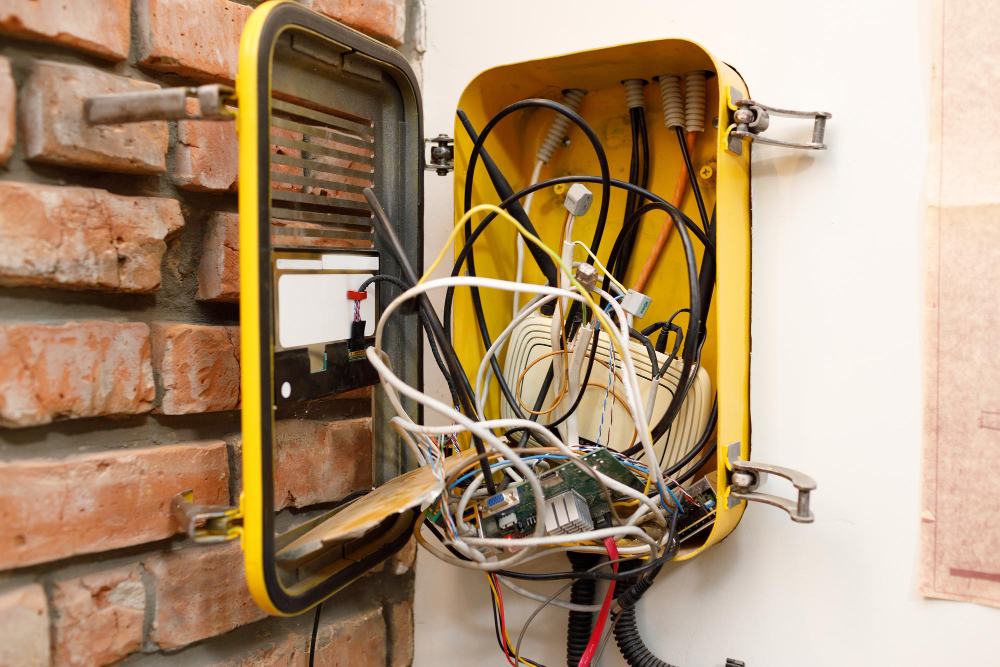
Knowing when to rewire older homes in Ithaca, NY is not always obvious from the outside. A house can have beautiful woodwork, sturdy plaster, and reliable heat while the wiring behind the walls is still carrying decades of updates, repairs, and electrical demand it was never designed to support.
That is especially true in Ithaca neighborhoods where older homes are part of the character of the city. Fall Creek, Bryant Park, Collegetown, South Hill, and other established areas often have wiring histories shaped by renovations, rentals, additions, and changing appliance loads.
Rewiring does not always mean every wall has to be opened tomorrow. It does mean the system should be evaluated before warning signs become electrical hazards, failed inspections, or emergency repairs.
Pleasant Valley Electric provides lighting and wiring for older homes, rental properties, and commercial spaces across Ithaca and Tompkins County. A careful assessment helps separate small repairs from wiring conditions that call for a larger plan.
In this article, you will learn about:
Keep reading to understand when rewiring becomes the safer long-term decision for an older Ithaca home.
Older homes often work hard for a long time before a clear electrical problem appears. The issue is that wiring can age quietly, especially when previous owners added outlets, fixtures, appliances, or rental-unit changes without a full system review.
In Ithaca, this is not a theoretical concern. Pleasant Valley's local service page describes the city as one of the more electrically complex markets in upstate New York because different neighborhoods carry different building ages, rental patterns, and renovation histories.
Tompkins County has a large amount of older housing, and that context matters for Ithaca homeowners. The Tompkins County Planning and Sustainability Department reported that almost 36% of the county's housing stock, or 16,498 homes, was built before 1960, and over 27%, or 12,491 homes, was built before 1940.
Those dates do not automatically mean a home is unsafe. They do mean the electrical system deserves closer attention because many older structures have been changed repeatedly since their original construction.
An older Ithaca home may have:
After those conditions are identified, the next step is not panic. The next step is a professional assessment that shows whether targeted electrical repairs are enough or whether rewiring is the safer plan.
Electrical systems usually give clues before a serious failure, but homeowners do not always recognize those clues as urgent. A warm switch, faint burning smell, flickering light, or breaker that trips only under certain loads can feel like a nuisance until it repeats.
The U.S. Fire Administration reported that an estimated 24,200 residential building electrical fires were reported to U.S. fire departments in 2021, causing 295 deaths, 900 injuries, and more than $1.2 billion in property loss. Rewiring decisions should be made before a home reaches that kind of risk pattern.
This is where an electrical safety inspection checklist can help homeowners organize what they are seeing. The checklist does not replace a licensed evaluation, but it can make the conversation with an electrician clearer.
If symptoms are active, the better choice is to stop guessing. Rewiring may not be the first recommendation, but repeated electrical symptoms in an older home should never be treated as normal aging.
That is especially true when several signs of faulty wiring show up together, such as flickering lights, warm devices, buzzing, and breaker problems in more than one room.
Older wiring was not designed for today's electrical life. A modern Ithaca home may run laptops, monitors, window air conditioners, kitchen appliances, gaming systems, portable heaters, chargers, laundry equipment, and smart devices at the same time.
That gap between old design and modern use is one reason Pleasant Valley highlights Ithaca's older housing stock, student rental demand, and neighborhood-by-neighborhood electrical differences. The same wiring that once served basic lights and a few outlets may now be supporting constant, high-density use.
When the home starts adapting through extension cords, power strips, frequent breaker resets, or outlet swapping, the wiring plan is already under stress. That does not always mean immediate full rewiring, but it does mean the system needs to be evaluated as a whole.
If the panel is also outdated or overloaded, rewiring may need to be planned alongside electrical panel upgrades. The safest solution often depends on both the wiring in the walls and the service equipment feeding it.
Rewiring usually becomes a serious conversation when symptoms show up in more than one place, keep returning after small repairs, or point to wiring hidden behind walls. One dead outlet is not the same as a whole-home wiring issue, but repeated patterns matter.
The goal is to read those patterns early. By the time you smell burning insulation or see visible arcing, the question is no longer whether the system needs attention, but how quickly it can be made safe.
A breaker that trips occasionally during an unusual overload may be doing its job. A breaker that trips under normal use, will not reset, or serves too many high-demand devices is a different story.
The same is true for outlets and lights. If several devices feel loose, fixtures flicker across multiple rooms, or plugs fall out of receptacles, the issue may be bigger than the visible device.
Watch for patterns such as:
After those symptoms are noted, a licensed electrician can test the circuit and inspect accessible wiring. If the same issues appear across several circuits, rewiring may be more practical than chasing one repair after another.
In older Ithaca homes, frequent breaker trips often deserve a broader look because the breaker may be reacting to overloaded wiring, poor connections, or a panel that no longer fits the home's real demand.
Heat is one of the clearest signs that an electrical issue should not wait. Warm outlets, hot switch plates, burning odors, and visible discoloration can point to loose connections, overloaded conductors, arcing, or insulation damage.
If those symptoms appear, shut off the affected circuit if you can do so safely and call for professional help. Pleasant Valley handles electrical repairs for outlets, switches, circuits, and wiring when active symptoms need diagnosis before a larger recommendation can be made.
The Electrical Safety Foundation International notes that the Consumer Product Safety Commission estimates proper AFCI protection could prevent 50% of home electrical fires related to certain malfunctions. In older homes, missing AFCI protection does not automatically mean rewiring is required, but it is one more reason to assess how the system compares with modern safety expectations.
If heat or odor returns after a small repair, the wiring behind the device deserves a deeper look. Repeated heat is not a cosmetic issue, and it should not be hidden with a new cover plate.
The same caution applies to electrical wiring overheating symptoms that seem to come and go. Heat that disappears when the load drops can still point to a wiring problem that needs repair before the next high-demand day.
Mild shocks from appliances, ungrounded outlets, missing GFCI protection, and two-prong receptacles in rooms that now serve modern equipment all point to safety gaps. Some can be corrected locally, while others reveal an older wiring system that needs a broader plan.
The Consumer Product Safety Commission explains that GFCIs can interrupt power when current differs by as little as 0.006 amperes, which is why they matter in bathrooms, kitchens, garages, basements, laundry areas, and outdoor locations. In an older home, checking where GFCI protection is missing can reveal how much of the wiring still reflects an earlier era.
Ungrounded outlets are especially important when homeowners want modern appliances, home offices, or sensitive electronics. Replacing a two-prong outlet with a three-prong device does not create a real equipment ground by itself.
That is why electrical outlet repair service should involve more than making the outlet look new. The wiring and protection behind the device determine whether the fix is actually safe.
Some homes do not show obvious wiring problems until a renovation begins. Once walls open, fixtures come down, cabinets move, or new equipment is added, hidden electrical conditions become much harder to ignore.
This is often the best time to address rewiring because the home is already disrupted. Planning the electrical work early can reduce rework, avoid failed inspections, and help the finished project support real daily use.
Kitchens and bathrooms carry higher electrical expectations than they did decades ago. Basements also tend to expose older wiring because they may contain unfinished ceilings, utility areas, laundry equipment, and homeowner-made changes from previous years.
If a renovation uncovers brittle insulation, open splices, ungrounded wiring, or circuits shared by too many rooms, rewiring part of the home may be the right move. It is better to correct those issues while walls and ceilings are accessible than to finish the remodel and reopen everything later.
Before the work begins, a wiring assessment should clarify:
After that review, the project has a safer electrical scope. That is especially useful in Ithaca homes where one renovation can uncover several generations of wiring decisions.
Major electrical upgrades can expose the limits of older wiring and panels. EV chargers, standby generators, heat pump equipment, electric ranges, dryers, and workshop circuits all require a system that can support the load safely.
For example, an EV charger installation should include a panel and load assessment before equipment is installed. If the panel and branch wiring are already strained, the charger may need to be part of a larger electrical upgrade plan.
The same logic applies to generator installation. Backup power equipment needs proper transfer equipment, safe circuit selection, and wiring that can handle the home's actual priorities during an outage.
Rewiring is not always required for these upgrades, but older homes should be checked before high-demand equipment is added. The inspection prevents a shiny new system from depending on wiring that was already near its limit.
Ithaca's rental market changes the wiring conversation because tenant-occupied homes often see heavier and less predictable electrical use. Bedrooms may become study spaces, older homes may carry more devices than expected, and small electrical symptoms may go unreported until they affect daily living.
Pleasant Valley's Ithaca page specifically calls out Collegetown and South Hill as high-density rental areas where electrical systems see continuous heavy use. For landlords, rewiring decisions are not just about comfort. They can affect habitability, inspection readiness, and liability.
If a rental property has repeated breaker trips, unreliable outlets, or tenant complaints about flickering lights, the owner should not keep patching the same symptoms. A whole-system assessment may show that rewiring key areas is safer and more cost-effective than repeat service calls.
That is also where a local electrical company in Ithaca can be more useful than a contractor unfamiliar with the city's older housing patterns and rental demand.
Rewiring sounds disruptive because it can be. But a well-planned project is very different from a rushed emergency repair after a circuit fails, a panel overheats, or a renovation stalls.
The most useful rewiring plan starts with facts: what wiring exists, what condition it is in, what the panel can support, which rooms carry the heaviest loads, and what the homeowner plans to add in the next few years.
The first step is not deciding that the whole home must be rewired. The first step is determining what you have. A licensed electrician can inspect the panel, accessible wiring, outlets, grounding, safety devices, and circuit behavior.
For older homes, a home electrical inspection panel review is especially useful because the panel often reveals overload patterns, obsolete equipment, labeling problems, or capacity limits before walls are opened.
From there, the electrician can explain whether the home needs a targeted circuit replacement, room-by-room rewiring, panel work, or a full rewiring plan. That staged approach keeps the recommendation tied to evidence rather than fear.
If the problem is urgent, the inspection may become a repair call. If it is not urgent, you can schedule work around renovation plans, budgets, and household disruption.
Not every older Ithaca home needs full rewiring. Some homes have already been updated in stages, while others have a mix of safe modern circuits and older wiring that should be replaced in specific areas.
Partial rewiring may make sense when one room, addition, basement, or cluster of circuits has the clear problem. Full rewiring becomes more likely when unsafe or outdated conditions are widespread, panel limitations are significant, or multiple areas need work at the same time.
The decision often depends on:
After those factors are weighed, the best plan may be phased. That can help homeowners prioritize safety without making the project larger than the evidence supports.
Rewiring is an opportunity to make the home work better, not just safer. If walls are being opened, it may be the right time to improve lighting, add properly placed outlets, prepare for home office needs, or replace awkward switch layouts.
That planning matters because older homes often have too few outlets in the rooms where families now use the most power. Without planning, homeowners finish a rewiring project and still end up using power strips in all the same places.
If you are already updating fixtures, rewiring can tie safer branch circuits to more useful room layouts. For homeowners adding controls or connected devices, smart home electrician planning can also help avoid compatibility problems.
The best rewiring project should leave the home safer, cleaner, and easier to live in. That means thinking about how you use the house now and what you are likely to need next.
Older Ithaca homes have history, character, and a building style that homeowners value. The wiring deserves the same level of care because the electrical system is what lets the home support modern life safely.
If your home has repeated breaker trips, warm outlets, flickering lights, missing grounding, older wiring, or renovation plans that will change electrical demand, rewiring should be discussed before a hazard develops. You may only need a targeted repair, but you should not have to guess.
A licensed assessment gives you a clear path. It can tell you whether the home needs immediate repair, partial rewiring, a panel upgrade, or a phased plan tied to future renovations.
For rewiring, electrical repairs, or a safety-focused wiring assessment in an older Ithaca home, contact Pleasant Valley Electric. Their team can inspect the system, explain the options clearly, and help you make the safest next decision before electrical hazards set the schedule
Whether you are dealing with flickering lights, outdated wiring, breaker problems, or planning a larger electrical upgrade, Pleasant Valley Electric is here to help. Our licensed electricians provide dependable service, honest recommendations, and fast response times throughout Ithaca and surrounding communities.
We call you back within 30 minutes during business hours.